

How Professional Ecommerce Photo Editing Increases Sales (2026 Guide)

In ecommerce, customers cannot touch your product. They cannot feel the texture, test the quality, or examine the details in person. The only thing influencing their buying decision is what they see on screen.
That’s why product photography isn’t just about taking a good photo anymore. In 2026, professional ecommerce photo editing plays a critical role in converting visitors into paying customers. Lighting creates the foundation. Editing perfects the experience.
If you're selling online and still relying on unedited or lightly edited product photos, you could be losing sales without even realizing it.
This guide explains how professional ecommerce photo editing directly impacts conversions, brand perception, and long-term revenue.
Why Visual Quality Determines Ecommerce Success
Studies consistently show that users form first impressions within seconds. On ecommerce websites, that first impression is almost always visual.
A sharp, clean, professionally edited product image:
- Builds trust instantly
- Highlights product details clearly
- Reduces hesitation
- Encourages zoom and engagement
- Increases add-to-cart rates
On the other hand, dull lighting, inconsistent colors, shadows, or visible imperfections create subconscious doubt. And doubt kills conversions.
Lighting vs Editing: Understanding the Difference
Good lighting during a shoot is essential. It ensures clarity and reduces heavy corrections later. However, even well-lit images often require post-production work.
Here’s why:
- Camera sensors capture colors differently than the human eye
- Backgrounds may not appear perfectly clean
- Shadows can look harsh or distracting
- Small imperfections become visible under high resolution
Professional editing ensures:
- True-to-life color correction
- Balanced exposure
- Clean white or transparent backgrounds
- Consistent tone across all product images
- Marketplace compliance (Amazon, Shopify, eBay standards)
Lighting prepares the image. Editing refines it.
1. Background Removal Creates Focus and Professionalism
Cluttered or uneven backgrounds distract buyers. Clean backgrounds isolate the product and create clarity.
In ecommerce platforms like Amazon, white backgrounds are often mandatory. Even slight gray tones can affect listing approval.
Professional background removal ensures:
- Perfectly clean white backgrounds
- Smooth edges without jagged outlines
- Natural-looking cutouts
- Shadow retention for realism
The result? A clean, trustworthy product presentation.
2. Color Correction Builds Customer Confidence
One of the biggest reasons for product returns in ecommerce is color mismatch.
If the product image does not accurately reflect the real color, customers feel misled.
Professional color correction:
- Ensures accurate tones
- Maintains brand consistency
- Reduces refund rates
- Improves customer satisfaction
For fashion, cosmetics, and lifestyle brands, accurate color representation is non-negotiable.
3. Retouching Removes Distractions
Even the best product shoot captures dust particles, scratches, wrinkles, or minor inconsistencies.
Professional retouching removes:
- Dust spots
- Wrinkles in clothing
- Skin imperfections (for model shoots)
- Unwanted reflections
- Manufacturing marks
But the key is subtlety.
Over-editing looks fake. Professional editing looks natural and refined.
4. Shadow Creation Adds Depth and Realism
Flat product images look lifeless. Natural shadow enhancement adds depth, dimension, and realism. It makes the product feel tangible.
There are multiple shadow techniques used in ecommerce editing:
- Drop shadow
- Reflection shadow
- Natural soft shadow
- Floating shadow
When done correctly, shadows enhance realism without distracting attention.
5. Consistency Strengthens Brand Identity
One of the biggest differences between amateur and professional ecommerce brands is image consistency.
Professional editing ensures:
- Same brightness levels
- Same color temperature
- Same background tone
- Same framing style
Consistency builds brand recognition and trust. When all product images look aligned, customers perceive the brand as established and reliable.
6. High-Resolution Optimization Improves Engagement
Customers want to zoom. They want detail.
Optimized high-resolution images:
- Increase time on page
- Encourage closer inspection
- Improve perceived product quality
But images must also be compressed correctly to maintain website speed.
Professional editing teams balance:
- Quality
- File size
- Resolution
- Performance optimization
Speed and clarity must work together.
7. Edited Images Increase Conversion Rates
Better visuals directly impact conversion rates.
Here’s how:
Clear image - More trust
More trust - More add-to-cart clicks
More clicks - More completed purchases
Professional editing reduces visual friction. And in ecommerce, reducing friction is everything.
8. Marketplace Compliance Prevents Listing Rejection
Each ecommerce platform has specific requirements:
Amazon:
- Pure white background
- No extra graphics
- Specific pixel dimensions
Shopify:
- Flexible but requires optimization
eBay:
- Clean product presentation
Professional editing ensures your images meet marketplace standards, reducing approval delays and improving ranking visibility.
How Professional Ecommerce Photo Editing Impacts Revenue
The connection between photo editing and revenue is simple:
Better presentation ? Higher trust ? Increased conversions ? More sales
Even a small increase in conversion rate can significantly impact total revenue over time.
For example: If your store receives 10,000 monthly visitors and your conversion rate increases from 2% to 2.5%, that’s 50 additional sales per month. Professional image optimization contributes directly to that improvement.
Why DIY Editing Often Falls Short
Many ecommerce sellers attempt editing using basic software tools. While this can work temporarily, it often leads to:
- Inconsistent image tone
- Visible editing marks
- Poor edge refinement
- Incorrect color calibration
- Low-quality compression
Professional editing services use advanced tools, calibrated monitors, and experienced retouchers to maintain precision. The difference becomes noticeable when scaling.
When Should You Invest in Professional Photo Editing?
You should consider professional editing if:
- Your conversion rate is below industry average
- Your product images lack consistency
- You are launching on Amazon or Shopify
- You are scaling advertising campaigns
- You want to reduce return rates
Professional editing is not an expense - it is an optimization investment.
Final Thoughts
In 2026, ecommerce competition is intense. Customers have endless options and limited patience. Professional ecommerce photo editing ensures that your product presentation builds immediate trust and drives confident purchasing decisions. Lighting sets the stage. Editing perfects the performance.
If you're planning to upgrade your product visuals, you can also get a free photo editing quote and explore tailored solutions for your ecommerce store.
Frequently Asked Questions
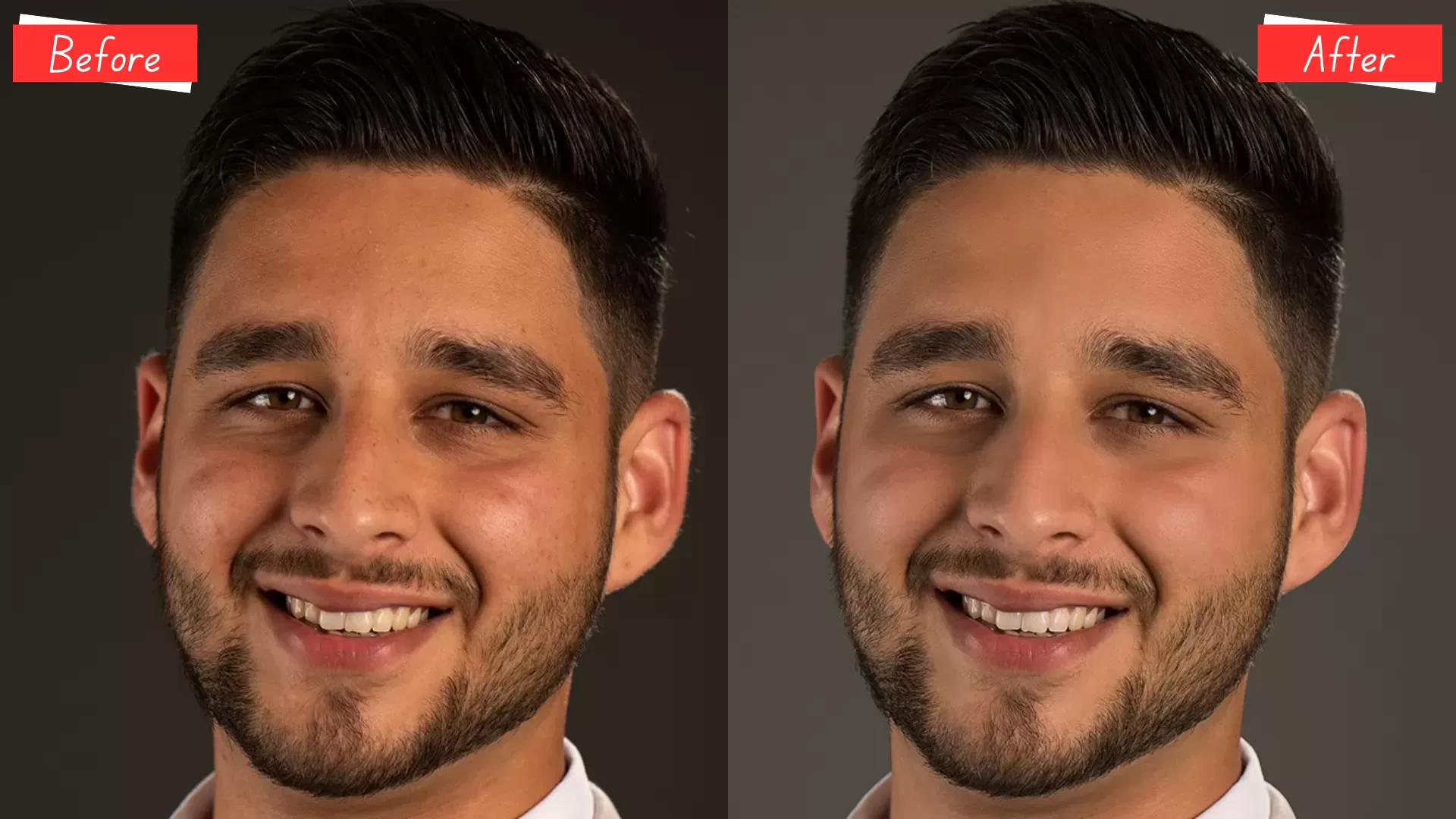
Enhance Your Online Presence with Expert Headshot Photo Editing Services
Your online presence says a lot about your professional identity. Whether you are a business...
Read More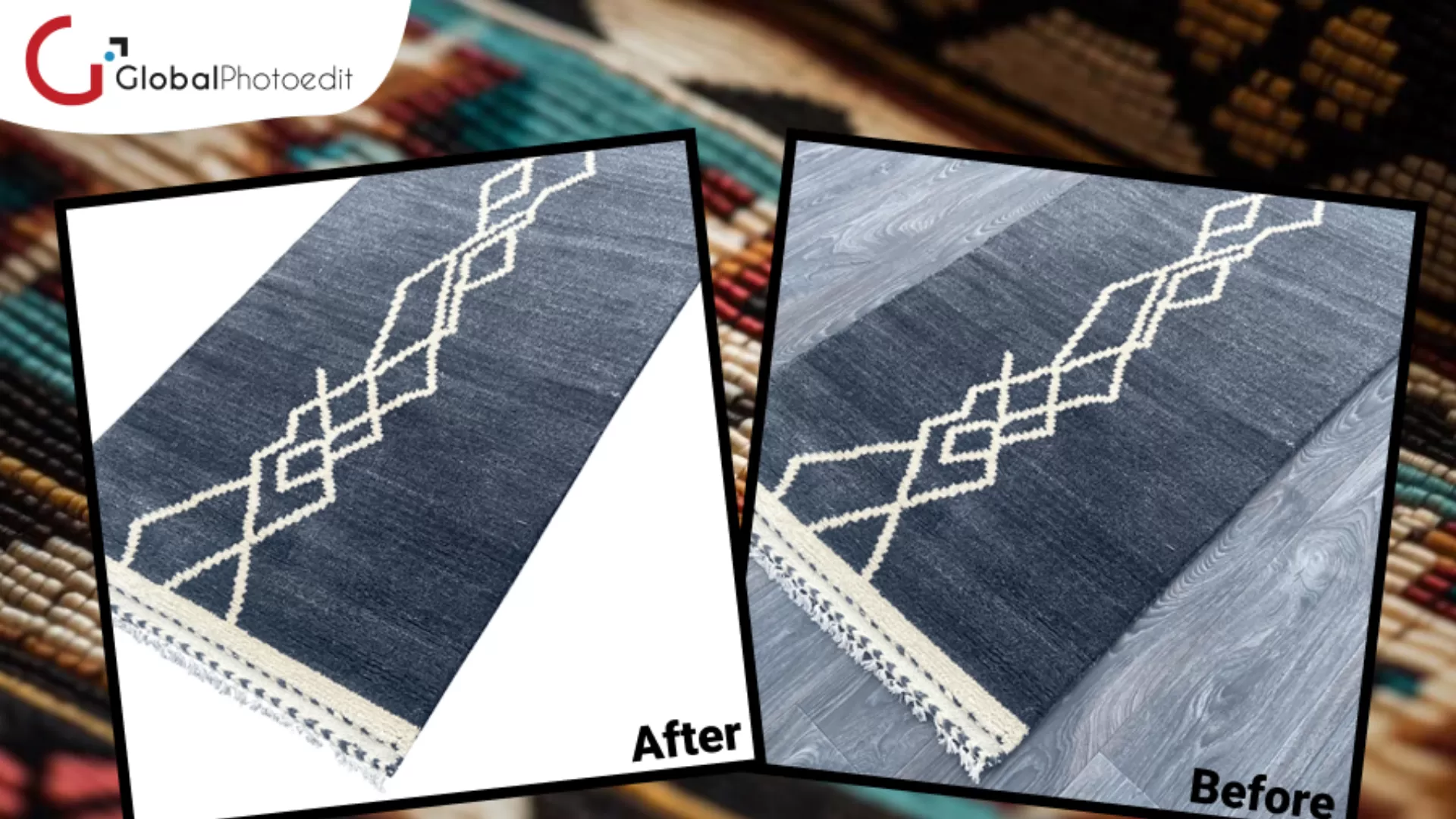
15 Mistakes Your Online Rug Image Retouching Company Should Avoid
High-quality photographs are crucial when showing carpets online in order to draw potential customers and...
Read More
How Professional Photo Editing Builds Trust & Boosts Purchases?
In the current digital world, customers cannot physically interact with products before purchasing. Customers depend...
Read More
How much retouching can be done on wedding photos?
A wedding is one of the most auspicious occasions of one’s life. It is the...
Read More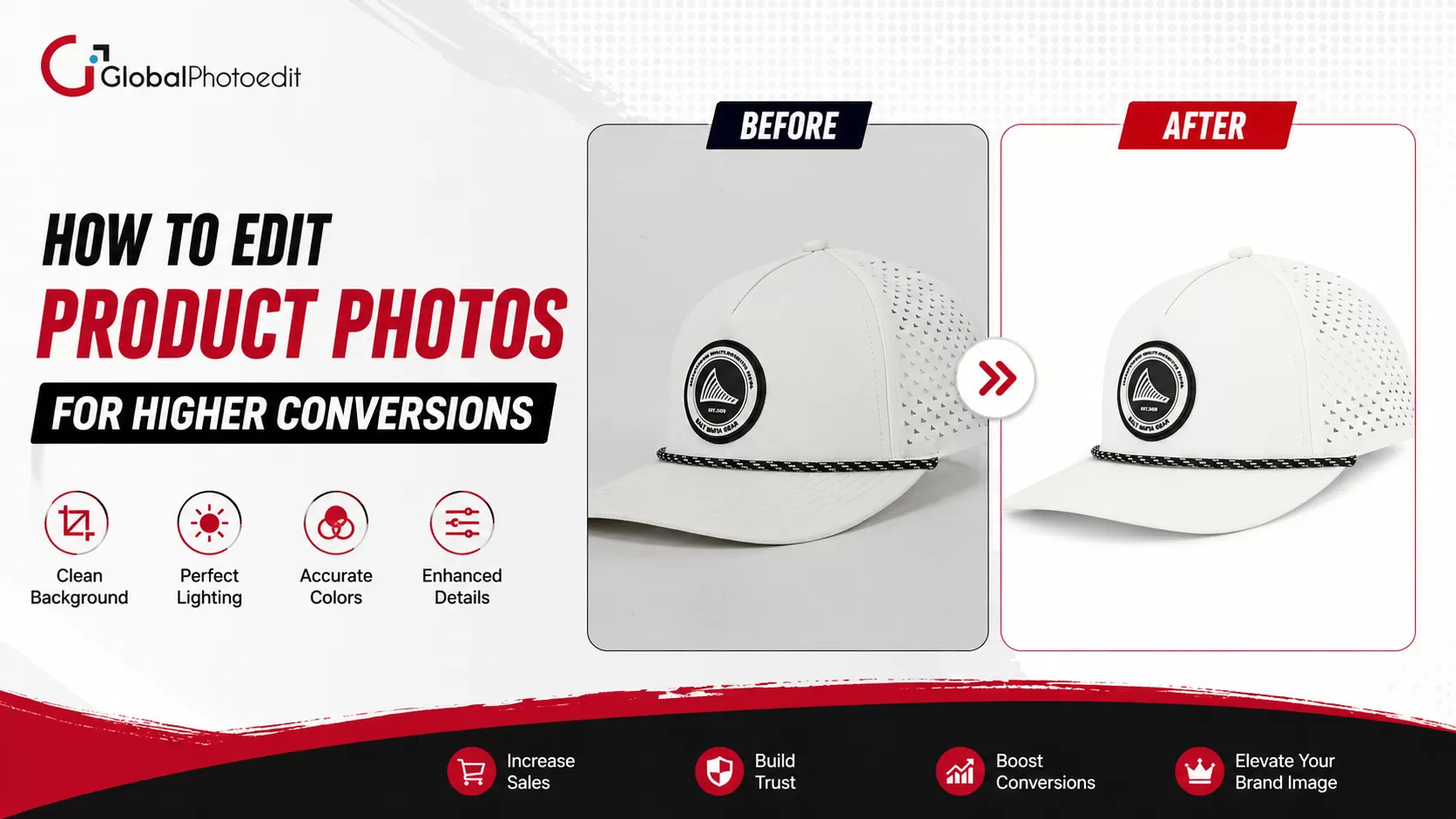
How to Edit Product Photos for Higher Conversions
In e-commerce, customers can’t touch your product, test it, or see it in person. Your product...
Read More
Proven Tips on Having Powerful Product Images for Your Furniture Business
High-quality product images can make all the difference in today’s competitive e-commerce dynamic. And, it...
Read More