

Can AI Replace Professional Retouchers? Complete Reality Check
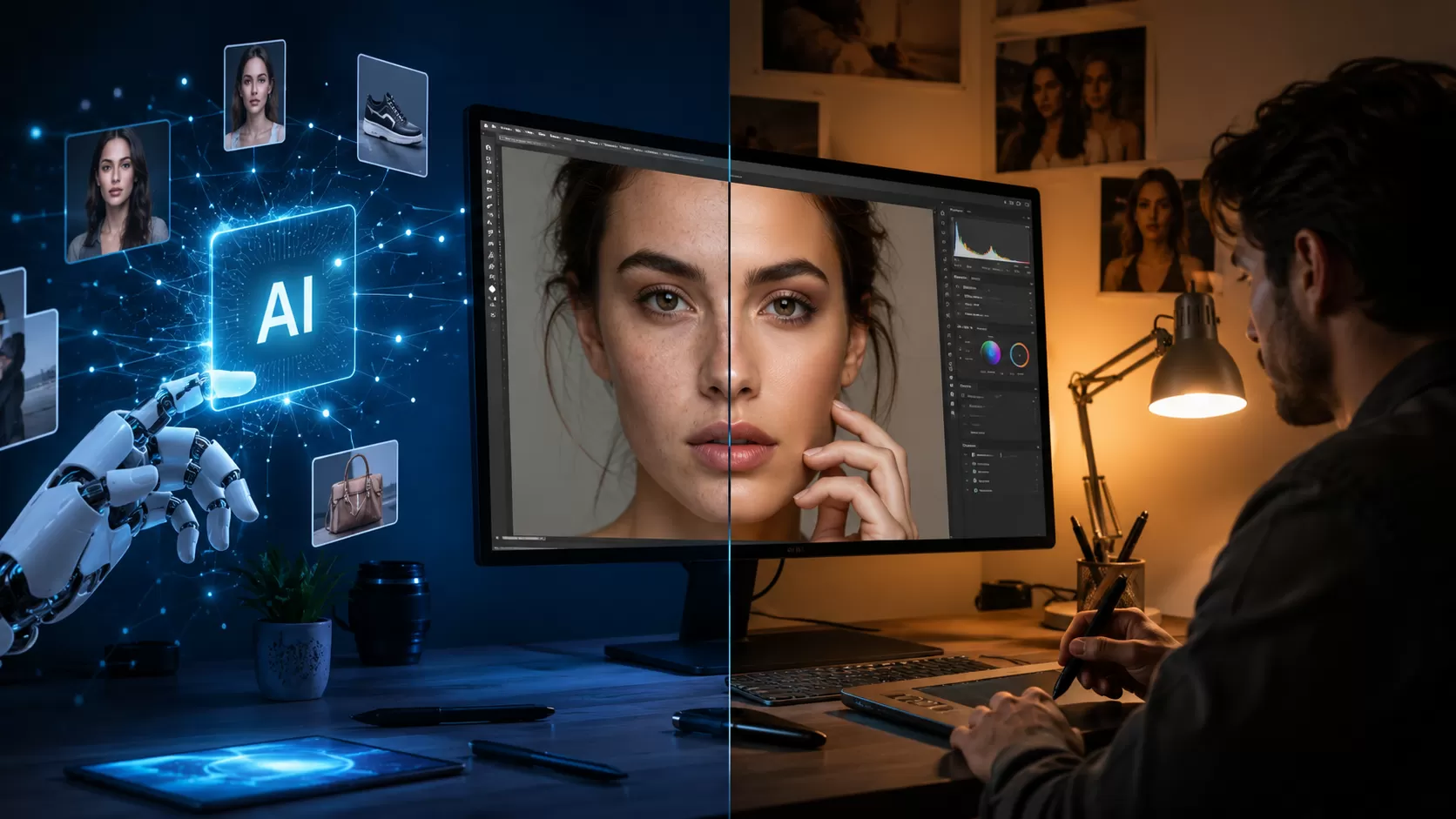
A few years ago, professional photo retouching was considered a highly specialized skill.
If you wanted flawless skin retouching, clean product cutouts, realistic shadows, or high-end beauty edits, you needed someone experienced in tools like Adobe Photoshop. Good retouchers spent years learning masking, lighting correction, color grading, and subtle editing techniques that most people never even noticed.
Now things look very different.
AI photo editing tools can remove backgrounds in seconds, smooth skin automatically, upscale blurry images, and even generate entirely new visual elements with almost no manual effort.
For many people, this raises an obvious question:
If AI can edit photos instantly, do professional retouchers still matter?
It’s a fair question - especially when AI tools are improving so quickly.
But after watching how photographers, ecommerce brands, studios, and agencies actually use these tools in real workflows, the answer becomes more nuanced than most headlines suggest.
AI is changing retouching.
But replacing professional retouchers completely? Not really.
At least not for the kind of work where image quality genuinely matters.
Why AI Photo Editing Is Growing So Fast
The biggest advantage of AI is speed.
Tasks that once took 20-30 minutes can now be completed almost instantly:
- background removal
- basic skin cleanup
- automatic color enhancement
- object removal
- image sharpening
For content creators and small businesses, that’s incredibly useful.
A Shopify seller uploading hundreds of products probably doesn’t want to spend hours manually masking every image. A social media creator posting daily content wants quick edits, not complex Photoshop workflows.
And honestly, AI tools are solving those problems very well.
Platforms like Canva, Photoshop AI features, Remove.bg, and Luminar Neo have made editing much more accessible for people without professional retouching experience.
That accessibility is exactly why AI editing has exploded over the last couple of years.
The Problem Starts When You Look Closer
Most AI-edited images look impressive at first glance.
But the closer you examine them, the easier it becomes to spot the limitations.
This is especially true in professional photography where details matter.
For example, AI skin retouching often looks smooth - sometimes too smooth. Skin texture disappears, highlights become unnatural, and faces can start looking plastic or overly filtered.
For casual social media content, that may not matter much.
For a beauty campaign or professional portrait session, it matters a lot.
Professional retouchers understand that good retouching is usually invisible. The goal is not to make someone look artificial. The goal is to enhance the image while keeping it believable.
That subtle balance is still something AI struggles to understand consistently.
Portrait Retouching Still Needs Human Judgment
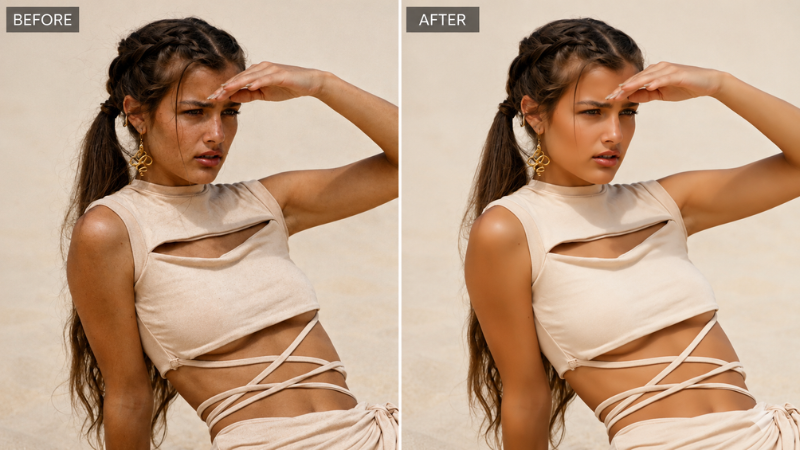
Portrait editing is one of the clearest examples of where human retouchers still outperform AI.
A professional editor looks at:
- skin texture
- lighting balance
- facial shadows
- color consistency
- natural detail preservation
AI, on the other hand, tends to apply generalized corrections based on patterns.
That’s why AI edits sometimes:
- remove too much texture
- soften important details
- create uneven skin tones
- alter facial features unintentionally
Many photographers have already noticed this. AI tools are useful for speeding up workflow, but final client delivery often still requires manual retouching to make images feel polished and natural.
And clients absolutely notice the difference - even if they can’t explain it technically.
Jewelry Retouching Is Still Extremely Difficult for AI
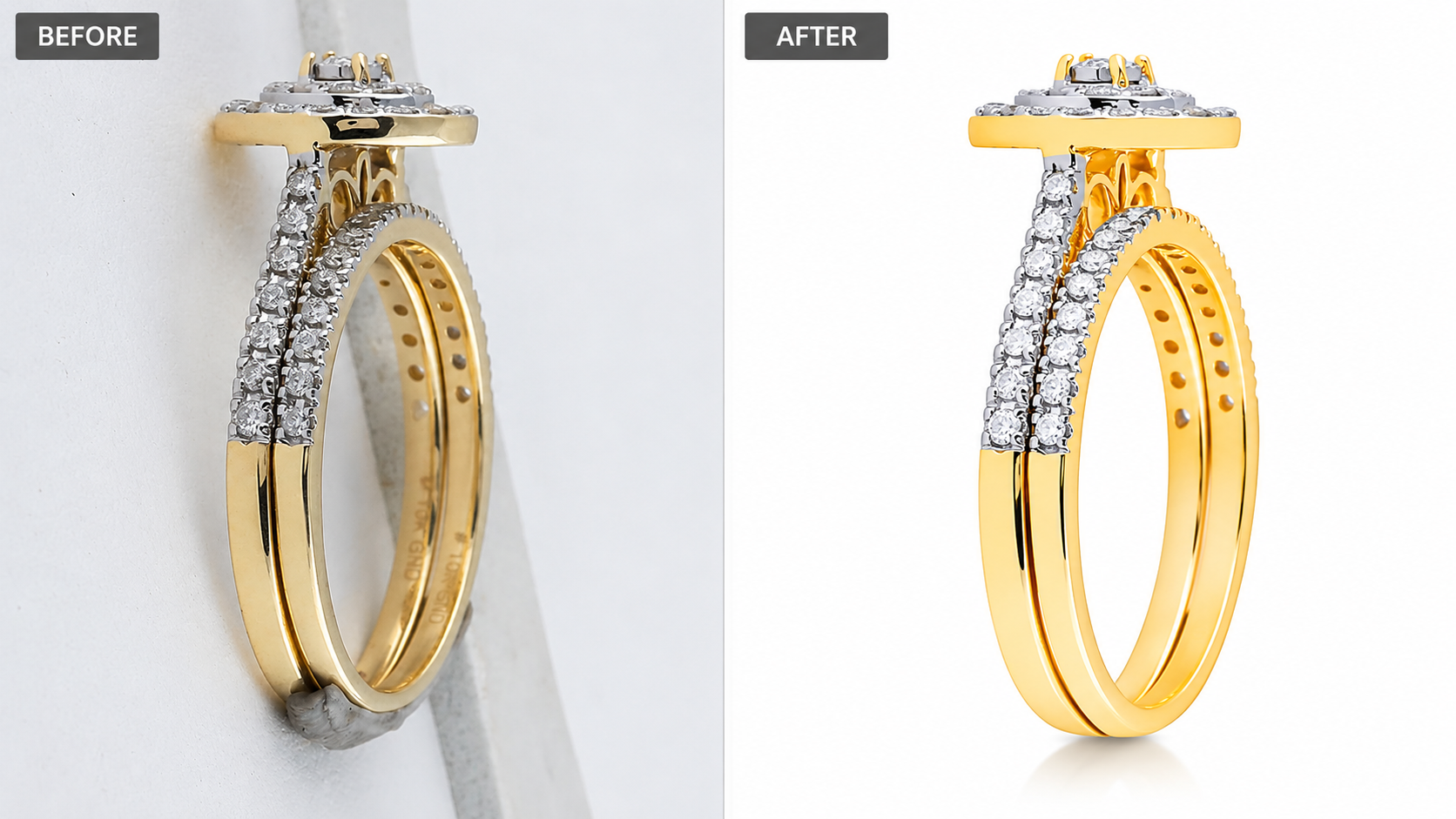
Jewelry photography is another area where AI editing struggles badly.
At first, jewelry images may seem simple. In reality, they’re some of the most technically demanding photos to retouch properly.
Professional jewelry retouching often involves:
- cleaning tiny dust particles
- controlling reflections
- enhancing gemstones naturally
- balancing metal shine
- preserving realistic texture
AI tools usually don’t understand those details very well.
In many cases, automated edits either over-enhance the jewelry or remove important texture completely, making expensive products look fake.
That’s a serious problem for luxury brands where presentation directly affects trust and perceived value.
This is why many jewelry companies still prefer experienced human retouchers instead of relying fully on AI-generated edits.
Ecommerce Brands Care About Consistency
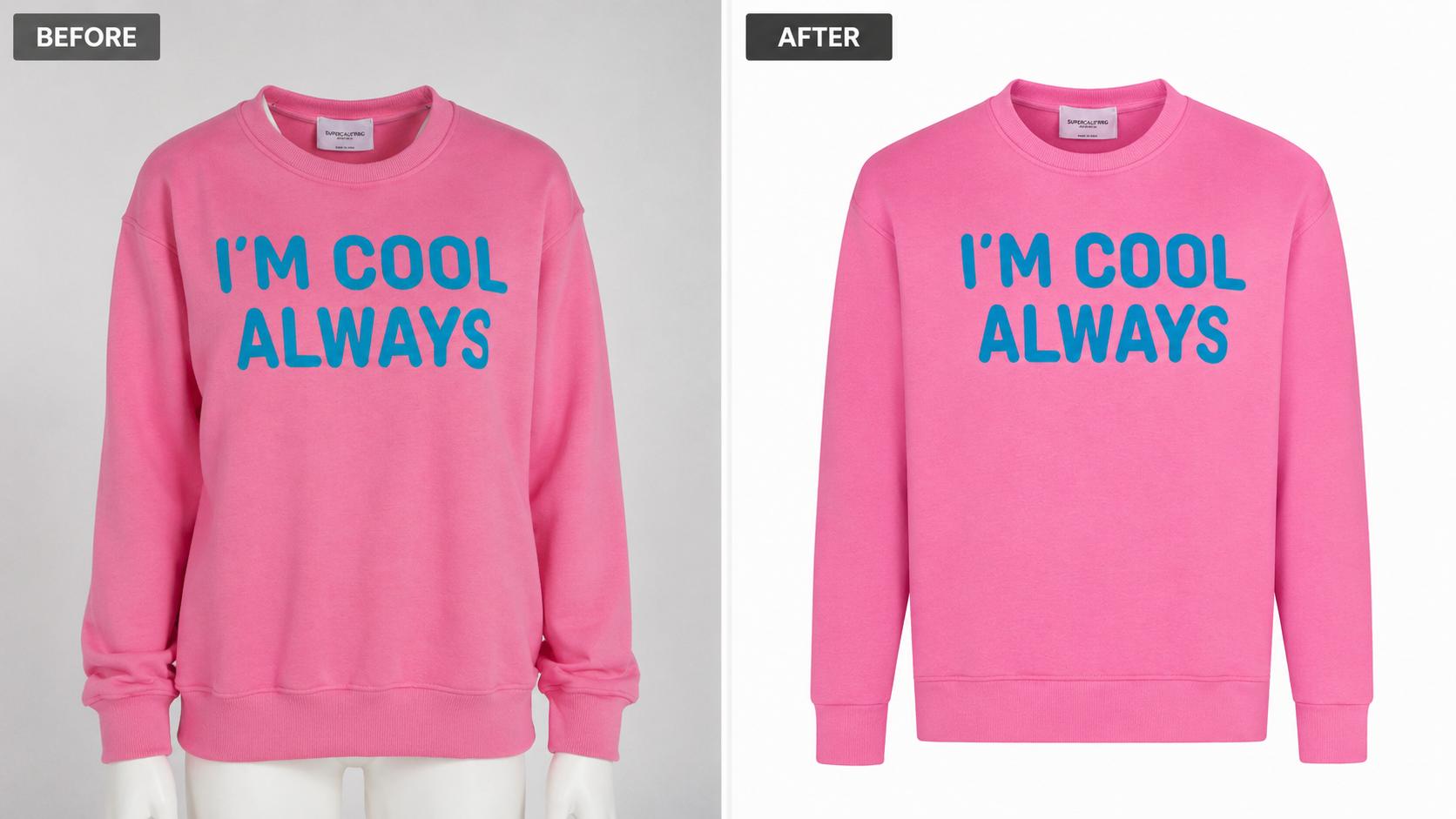
One thing people often forget about commercial editing is consistency.
A single image may look fine after AI editing. But what happens when a brand needs:
- 500 product images
- identical shadow direction
- consistent white balance
- matching tones across categories
This is where professional retouching becomes far more than just “fixing photos.”
Retouchers help brands maintain visual consistency across entire catalogs and campaigns.
AI can automate parts of the process, but maintaining a polished brand look still usually requires human oversight.
AI Works Best as a Tool - Not a Replacement
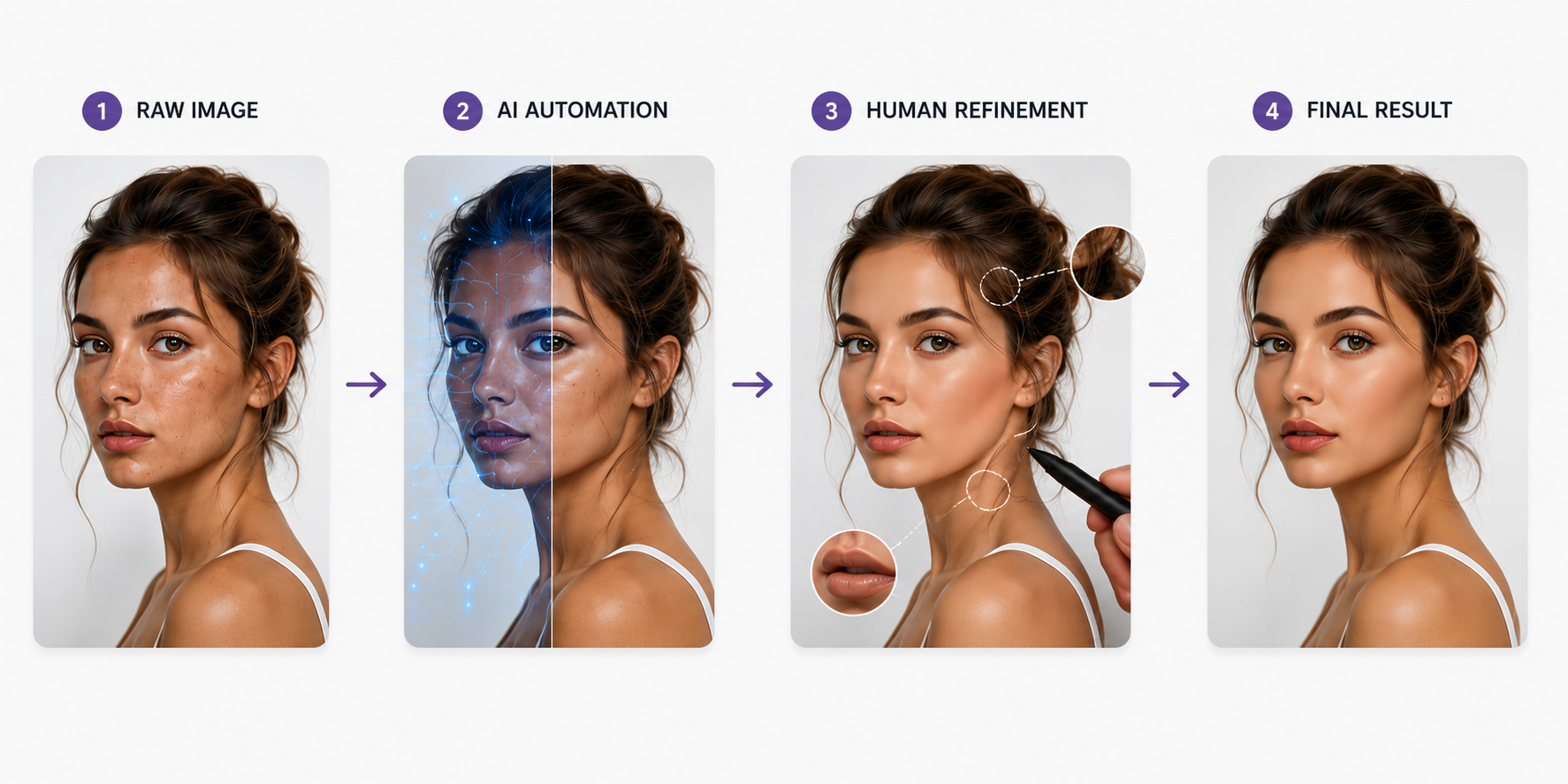
This is probably the most realistic way to look at the future of retouching.
AI is not useless. Far from it.
In fact, many professional studios already use AI tools daily because they help speed up repetitive tasks like:
- selections
- masking
- basic cleanup
- background removal
- initial enhancements
But the final quality control still happens manually.
Think of AI as an assistant rather than a replacement.
It can accelerate workflows, but it still lacks the creative judgment and precision that experienced retouchers bring to commercial work.
The Human Side of Retouching Still Matters
Professional retouching is not only technical work.
There’s also an artistic side that AI doesn’t fully understand yet.
Experienced retouchers make decisions based on:
- mood
- storytelling
- luxury aesthetics
- brand identity
- emotional impact
Sometimes the “perfect” technical edit actually looks worse because it feels unnatural.
Human editors understand when to stop editing. AI usually doesn’t.
That difference becomes incredibly important in:
- beauty photography
- fashion campaigns
- advertising
- high-end ecommerce
- magazine work
So, Will AI Replace Professional Retouchers?
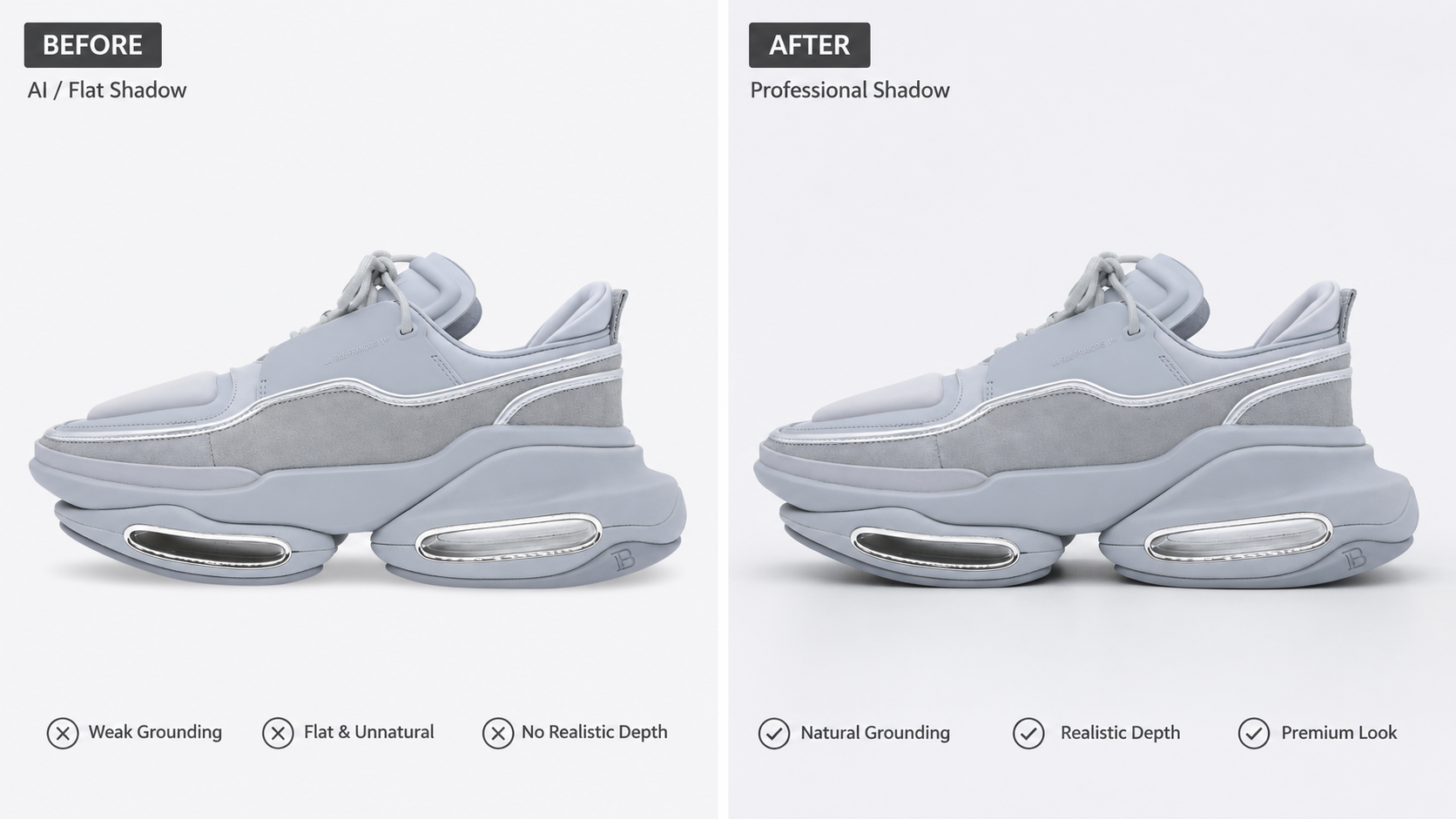
For simple editing tasks, AI will absolutely continue replacing manual work.
There’s no point pretending otherwise.
Basic background removal, quick enhancements, and repetitive edits are already becoming heavily automated.
But high-end retouching is a different category entirely.
When brands need:
- realistic skin texture
- luxury-quality product images
- accurate shadows
- detailed masking
- polished commercial visuals
Human expertise still matters.
And honestly, most professional photographers and brands already understand this.
The future of retouching probably won’t be:
AI vs humans
It’ll be:
AI-assisted human retouching
The retouchers who adapt to AI tools will likely work faster and more efficiently - but professional judgment, creativity, and precision are still very difficult to automate completely.
Final Thoughts
AI photo editing is evolving at an incredible pace, and there’s no doubt it will continue transforming the industry.
But despite all the automation, professional retouching still depends heavily on human experience, creative control, and attention to detail.
AI can generate edits quickly.
Professional retouchers make images feel real.
And for commercial photography, that difference still matters more than most people realize.
Need Professional Retouching Beyond AI Filters?
At Global Photo Edit, we help photographers, ecommerce brands, studios, and agencies achieve natural-looking, high-end image results through expert manual retouching.
Our services include:
- Portrait retouching
- Product photo editing
- Jewelry retouching
- Beauty retouching
- Background removal services
Try our free sample editing service and compare the difference between AI-generated edits and professional manual retouching yourself.
Frequently Asked Questions

What is Product Photo Editing? A Beginner's Guide?
In the world of online shopping and digital marketing, visuals definitely speak louder than words....
Read More
Top 8 best Portrait Retouching Service Provider in India
Each portrait is a story of character, emotion and timeless appeal. Yet some of the...
Read More
Role of E-commerce Product Image Retouching, and Editing Services
The global marketplace is increasingly shifting towards e-commerce for selling products. In this environment, advanced...
Read More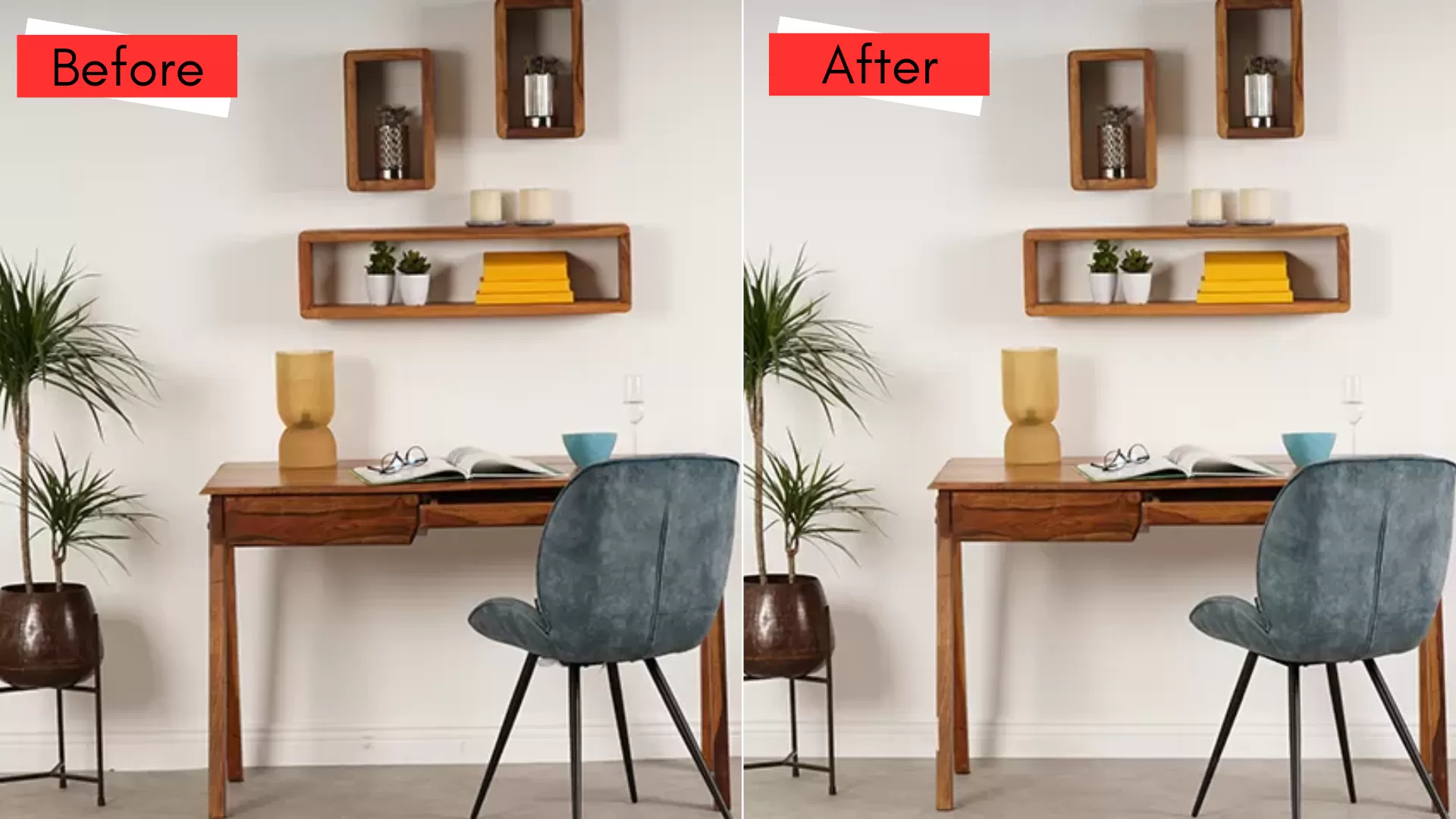
Home Furnishing Photo Editing Services: Enhancing Your Interior Design Images
Home furnishing is an essential aspect of interior design that can make or break the...
Read More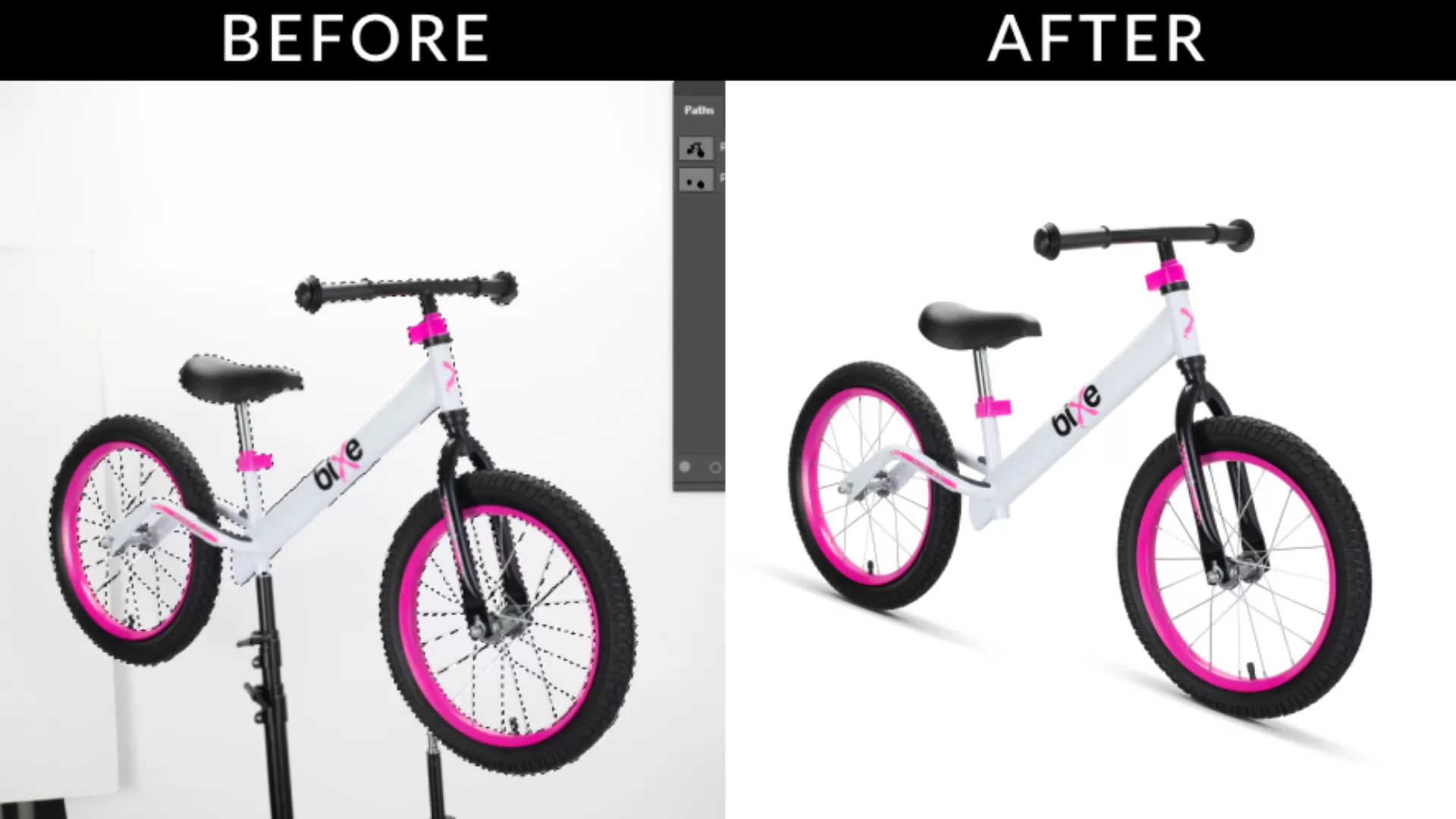
Why the Top Companies are Obsessed with Our Online Silo Image Editing Services
In an era where digital presence is synonymous with brand identity, image editing has emerged...
Read More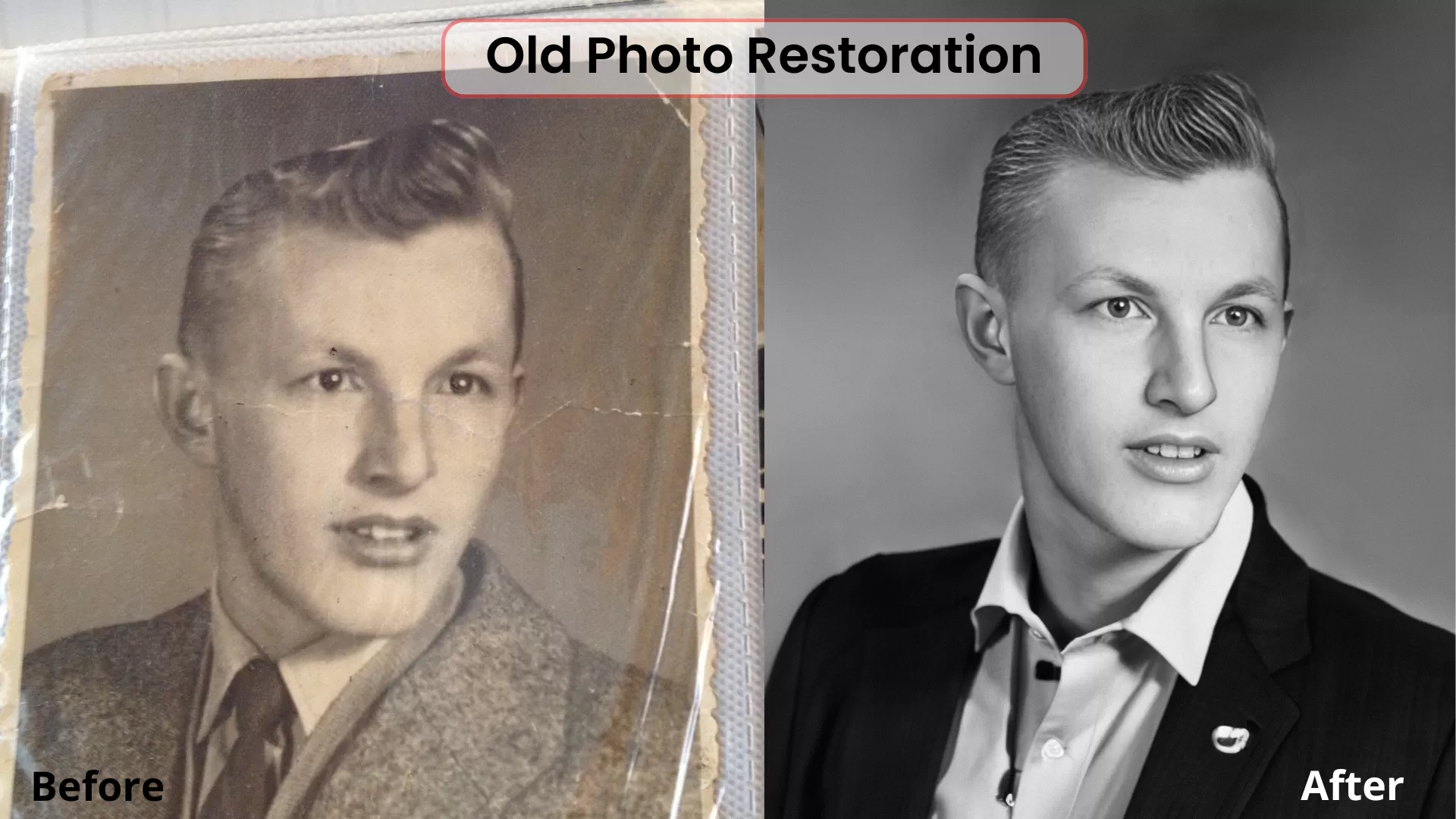
Avail Our Photo Restoration Services, and Bring Old Photos Back to Life
We all have some of our precious memories captured in photographs. You know how time...
Read More